
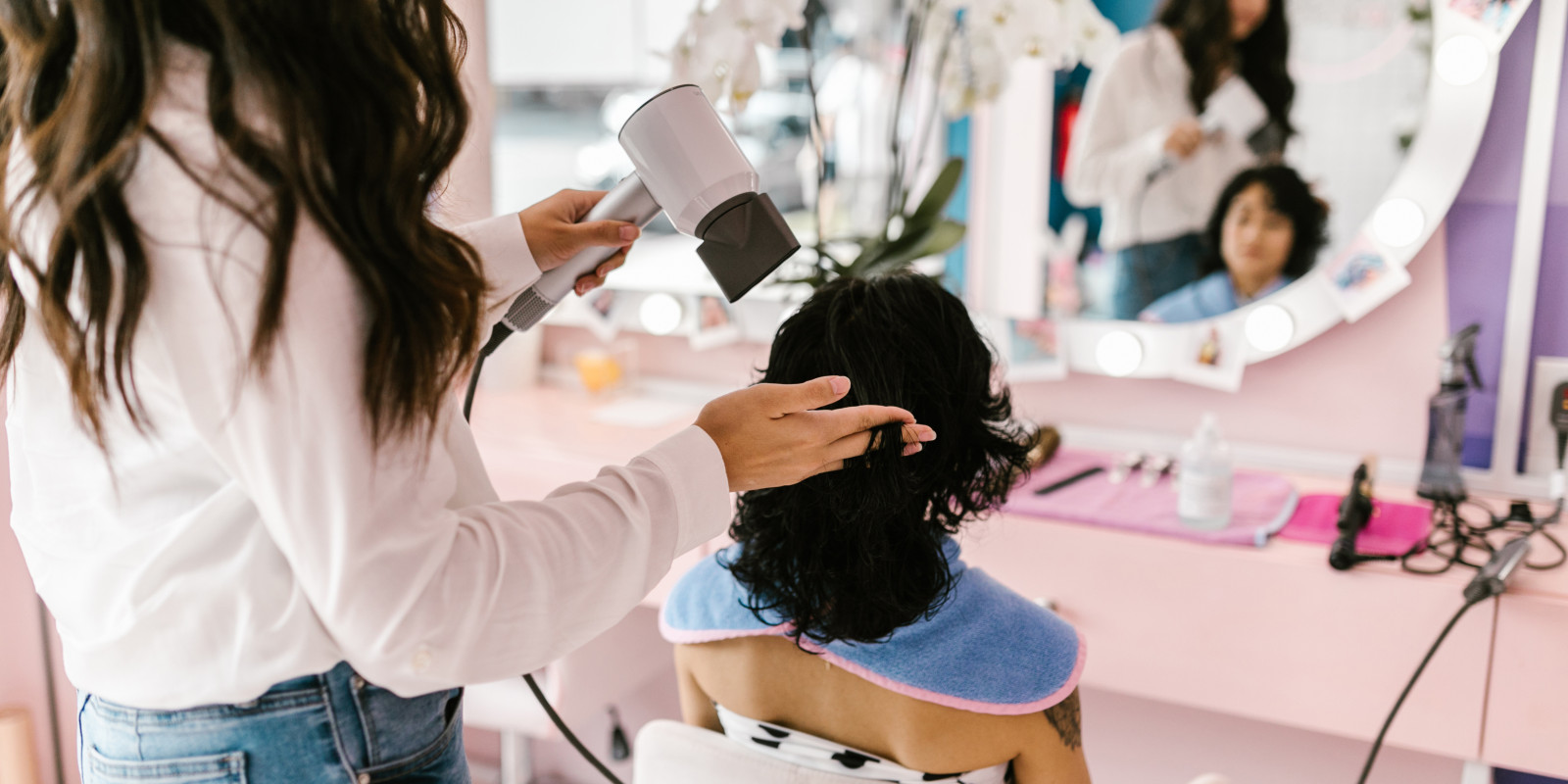
Running a salon or spa is about more than hair, nails, or facials. It’s about people—your team, your clients, and even yourself as a leader. Yet, one of the biggest challenges salon owners face isn’t scheduling, revenue, or marketing—it’s the assumptions we make about the people around us.
When you constantly assume the worst—thinking a stylist is resisting your guidance, a client is being difficult, or your team doesn’t care as much as you do—you’re setting yourself up for stress, frustration, and miscommunication. And over time, this mindset can quietly erode team culture, reduce performance, and even hurt your bottom line.
But there’s a better way: leading with positive intent.
What Does Positive Intent Mean?
Leading with positive intent doesn’t mean ignoring accountability or letting mistakes slide. It means starting from the perspective that most people are acting with good intentions—even if the results or communication fall short.
It’s a shift in mindset: instead of immediately thinking, “They’re ignoring me on purpose,” you ask, “What’s really happening here? How can I guide this situation productively?”
This shift alone can dramatically reduce defensiveness, improve communication, and build trust—turning tension into collaboration.
Why Positive Intent Works
- Reduces Conflict: When you stop assuming the worst, interactions with your team become calmer, more productive, and solution-focused.
- Strengthens Relationships: Team members feel seen, trusted, and respected, which improves engagement and retention.
- Improves Performance: Staff are more willing to follow guidance and take initiative when they don’t feel judged or micromanaged.
- Protects Leadership Confidence: You respond thoughtfully instead of reacting emotionally, which reinforces your credibility as a leader.
How to Lead with Positive Intent in Your Salon
Here are actionable ways to implement this mindset in your daily salon leadership:
1. Pause Before You React
When a stylist misses a step or a client expresses frustration, take a breath. Ask yourself: “What is really happening here? Could there be a misunderstanding?” This short pause prevents knee-jerk reactions and opens the door for constructive conversation.
2. Reframe Your Assumptions
Instead of assuming resistance, consider alternative explanations:
- Lack of clarity in instructions
- External stressors affecting behavior
- A learning opportunity that needs support
3. Focus on Facts and Solutions
Shift the conversation from blame to problem-solving. Discuss what happened, why it matters, and what steps can be taken next. This keeps accountability intact without the emotional tension.
4. Model the Behavior
Your team mirrors your mindset. When you consistently approach situations with positive intent, your staff begin to adopt the same perspective—creating a healthier, more collaborative culture.
5. Reflect on Your Leadership
Regularly evaluate your reactions and assumptions. Journaling or brief reflection at the end of the day can help you identify patterns where negative assumptions are creeping in—and how to correct them moving forward.
The Ripple Effect Beyond the Salon
Leading with positive intent doesn’t just improve salon culture—it transforms how you handle challenges everywhere. You’ll notice changes in:
- Personal relationships
- Communication with clients
- Decision-making under pressure
- Your own stress and mindset
It’s a small shift with big results—for your team, your clients, and your own leadership confidence.








0 Comments